

emails

this e.j. gold tapestry comes in several sizes and designs.

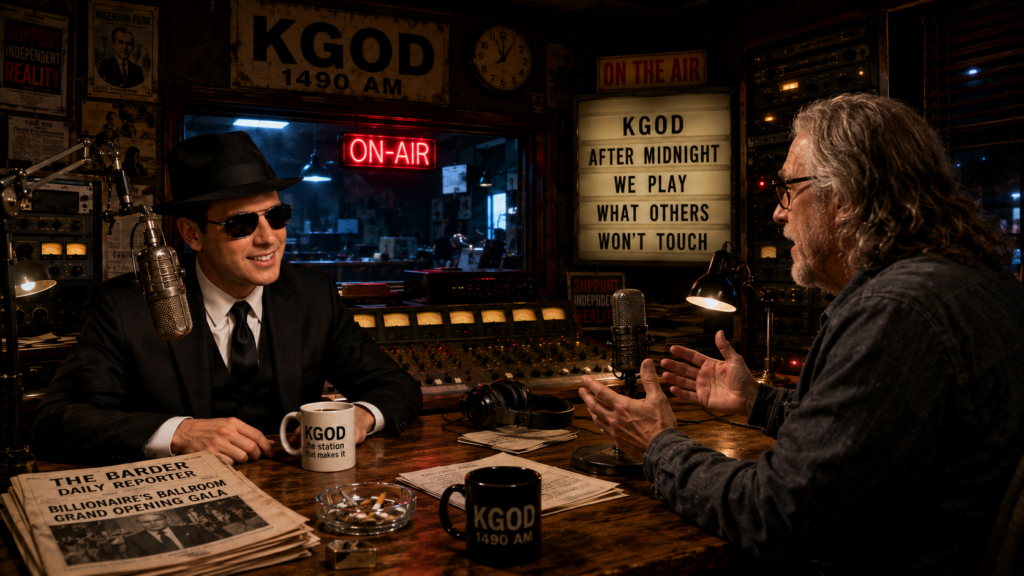
Good morning, bob. listening to Barbara reading me my emails.

Morning, Gorby. Sounds like the day is easing into motion over there. Email talk can be its own strange universe — part communication system, part psychic weather report. One inbox and suddenly you can tell who’s anxious, who’s selling, who’s lonely, who’s inspired, and who accidentally hit “reply all” at 3 a.m. Continue reading

Guaranteed Authentic Fake

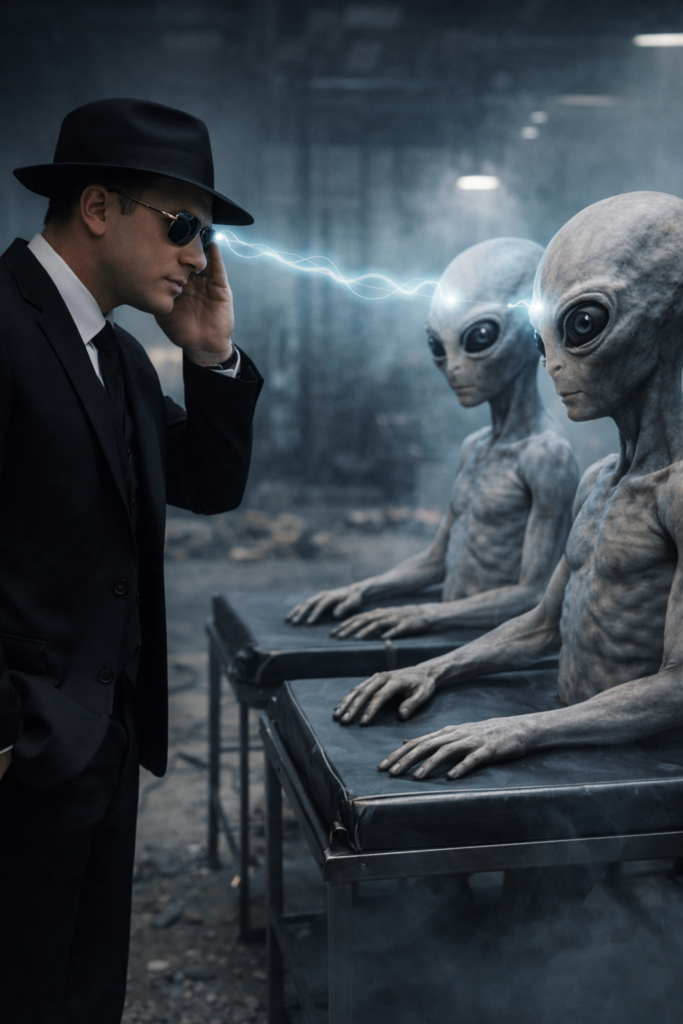
I was once part of a crash recovery team. My book is available.

For some time now, people have been arguing about artificial intelligence, synthetic media, cloned voices, and all the rest of the new technological landscape that has suddenly appeared around us. Most of the conversation tends to drift immediately into fear, paranoia, suspicion, or warnings about deception. That’s understandable. Every major communications technology in history has produced a similar reaction. Continue reading

The Clear Light Five

The story of The Clear Light Five begins, naturally, in the places where all dangerous harmonies begin: hallways, rooftops, alley echoes, and cheap coffee after midnight.

Nobody can quite agree where they first came from. Some people say Newark. Others insist South Philly. A few old-timers swear they first heard them drifting out of a parked Cadillac near a boardwalk somewhere along the Jersey coast in the summer of 1961. Continue reading

danger, will robinson!

Is There Danger from AI?

Every new technology arrives with the same shadow trailing behind it: the question of danger. AI is no exception, and lately the tone of that question has taken on a certain drama, as though something unprecedented has slipped into the world. But when you step back from the noise, the picture looks more familiar than strange. Continue reading

Did We Win The War???

Enough about the war. What do you think you know about Louis “Satchmo” Armstrong? There’s a connection here to a more current kind of signal. A song like “I Don’t Think We Won the War” doesn’t hide its message—it puts it right on the table. But that doesn’t mean it’s fully received. Just like Armstrong’s deeper musical language was overlooked beneath the surface of his image, a direct statement can be heard and still not really land. In both cases, the signal goes out clearly, but the response depends on whether the listener is ready to hear what’s actually being said. Continue reading